
Blog: security, scams, and phone spam
Content from the NoCall team to understand real threats, spot patterns, and make informed decisions.
How to verify a notification from the Tax Agency or Social Security
Learn to tell a genuine notification from the Spanish Tax Agency or Social Security apart from a scam, using only the official channels and Cl@ve.

How to protect older people from phone scams
A guide for families: spot the warning signs, raise the subject without alarming them, set up their phone and know what to do if your relative has already fallen for it.
How to block numbers on the landline and the switchboard of a small business
A practical guide to stopping phone spam on your landline and your company's VoIP switchboard: operator, blacklists and the Lista Robinson for businesses.

How to block spam calls on Android: a guide by manufacturer (Samsung, Xiaomi, Google)
Block phone spam on Android step by step depending on your skin: Samsung's One UI, Xiaomi's MIUI/HyperOS and Google's Pixel.
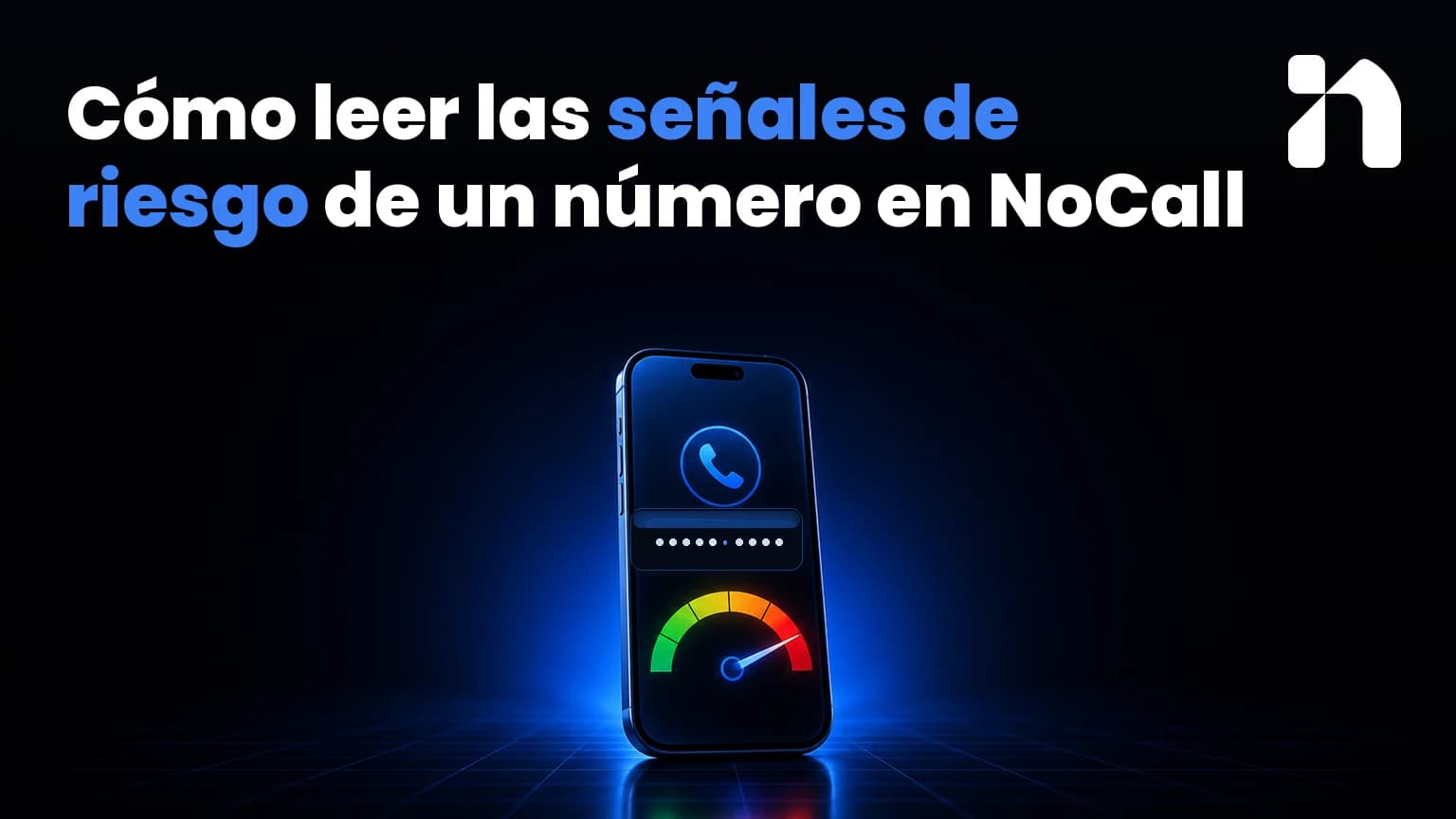
How to read a number's risk signals on NoCall
Learn to interpret the risk score, danger level and complaint patterns NoCall shows you so you can decide whether to pick up or not.

How a fraudulent call centre works from the inside
We show you the anatomy of a fraudulent call centre step by step: the script, the pressure, the urgency and the fake "security department" that ruins you.

Vishing: voice scams impersonating your bank and the tax authority
Vishing uses calls that look legitimate to steal your money and data. We explain the most common scripts and the golden rules to avoid falling for them.

Phone spam trends in Spain 2026: what to watch out for
AI voice cloning, parcel and banking smishing, neighbor spoofing and wangiri define the year. We review the call and SMS threats worth watching in 2026.
Caller ID spoofing: why the number you see may be fake
Spoofing lets the number on your screen be faked to impersonate your bank or an official body. We explain why it happens and how to protect yourself.
Smishing: SMS scams and how to spot them in time
Smishing uses fake texts from the post office, your bank or the tax authority to steal your data and money. Learn to recognise the signs and protect yourself.
What to do if you've already given your details in a phone scam
If you've just given out details or money in a fraudulent call, there's still time to limit the damage. We explain the urgent steps, in order and without scaremongering.
International prefixes in calls and texts: when to be wary
Learn to read a number's prefix, identify which country a call or text comes from and why you should never return an international missed call.